“over age” search results (1000)

The history of coffee names how did Manning's name come from?
Manning is not the name of the producing area, the place name, the port name, nor the name of the coffee breed. How did it get its name? In fact, it is a phonetic error of the mandheling people in Mandaining, Indonesia. During the Japanese occupation of Indonesia during World War II, a Japanese soldier drank mellow coffee in a cafe, so he asked the shopkeeper the name of the coffee, and the boss mistook him for asking where you were.
2014-10-15 Coffee knowledge coffee history Manning coffee
Coffee Culture Common sense of Coffee drinking Culture of countries all over the World
After coffee has entered countries all over the world, each coffee country has its own specific coffee culture and drinking methods, and there are a variety of production methods. Let's take a look at the wonderful drinking methods of coffee all over the world. Turkey breathtaking coffee in the ancient Middle East, like the legend of the 1001 night, like a veiled girl with a thousand faces, can not only help get close to God, but also
2014-12-30 Coffee culture countries around the world coffee drinking culture common sense entry the world
Boutique coffee learns how to distinguish between new beans and old beans
The main components of raw beans are: carbohydrates, about 49%; moisture, about 12%; protein. About 11%; chlorogenic acid, about 7.6% alkaloids and trace elements, about 0.4%. According to the length of time, raw beans can be specifically divided into: seasonal beans (Current Crop), that is, fresh beans; new beans (New Crop), that is, raw beans of the first year; and old beans (Past Crop), that is,
2014-11-22 Coffee knowledge boutique coffee science new coffee beans old coffee beans
Boutique coffee common sense coffee raw beans the difference between new beans and old beans
After dry and wet processing, coffee fruit becomes coffee raw bean (Raw bean/Green bean). The main components of raw beans are: carbohydrates, about 49%; moisture, about 12%; protein. About 11%; chlorogenic acid, about 7.6% alkaloids and trace elements, about 0.4%. According to the length of time, raw beans can be divided into: seasonal beans (Current Cro)
2014-11-11 Coffee knowledge coffee common sense coffee raw beans new beans old beans
How did Manning, a common sense of coffee culture, get his name?
Manning is not the name of the producing area, the place name, the port name, nor the name of the coffee breed. How did it get its name? In fact, it is a phonetic error of the mandheling people in Mandaining, Indonesia. During the Japanese occupation of Indonesia during World War II, a Japanese soldier drank mellow coffee in a cafe, so he asked the shopkeeper the name of the coffee, and the boss mistook him for asking where you were.
2015-05-13 Coffee culture common sense Mant name how come not district name land
High-quality coffee raw beans: the difference between new beans and old beans
After dry and wet processing, coffee fruit becomes coffee raw bean (Raw bean/Green bean). The main components of raw beans are: carbohydrates, about 49%; moisture, about 12%; protein. About 11%; chlorogenic acid, about 7.6% alkaloids and trace elements, about 0.4%. According to the length of time, raw beans can be divided into: seasonal beans (Current Cro)
2015-06-01 Boutique coffee raw beans new beans old beans fruit pass dry and wet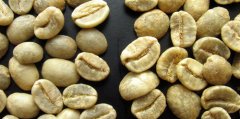
Coffee raw beans: the main components of raw beans between new beans and old beans
After dry and wet processing, coffee fruit becomes coffee raw bean (Raw bean/Green bean). The main components of raw beans are: carbohydrates, about 49%; moisture, about 12%; protein. About 11%; chlorogenic acid, about 7.6% alkaloids and trace elements, about 0.4%. According to the length of time, raw beans can be divided into: seasonal beans (Current Cro)
2015-09-15 Coffee raw beans new beans old beans mainly coffee fruit after
The Cultural History of Coffee beans how did Manning's name come from
Manning is not the name of the producing area, the place name, the port name, nor the name of the coffee breed. How did it get its name? In fact, it is a phonetic error of the mandheling people in Mandaining, Indonesia. During the Japanese occupation of Indonesia during World War II, a Japanese soldier drank mellow coffee in a cafe, so he asked the shopkeeper the name of the coffee, and the boss mistook him for asking where you were.
2015-03-26 Coffee beans cultural history Mant name how origin not district name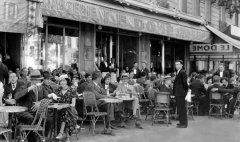
French Coffee Culture World Fine Coffee
The French drink coffee slowly, taste it carefully, read books and newspapers, talk about it, and soak it for most of the day. Because of this traditional and unique coffee culture, France gives people a rest and drink coffee all over the streets, under the shade of trees, by the side of the road, by the square, on the riverbank, on cruise boats, on street balconies, and even on the Eiffel Tower in form, style and size, there are coffee shops.
2016-05-16 France coffee culture world boutique coffee French slow fine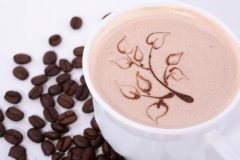
The main components of raw beans are new beans and old beans.
After dry and wet processing, coffee fruit becomes coffee raw bean (Raw bean/Green bean). The main components of raw beans are: carbohydrates, about 49%; moisture, about 12%; protein. About 11%; chlorogenic acid, about 7.6% alkaloids and trace elements, about 0.4%. According to the length of time, raw beans can be divided into: seasonal beans (Current Cro)
2015-10-13 Raw beans mainly divided into new beans old beans coffee fruit after dry and wet
French Coffee Culture Coffee basic knowledge
The French drink coffee slowly, taste it carefully, read books and newspapers, talk about it, and soak it for most of the day. Because of this traditional and unique coffee culture, France gives people a rest and drink coffee all over the streets, under the shade of trees, by the side of the road, by the square, on the riverbank, on cruise boats, on street balconies, and even on the Eiffel Tower in form, style and size, there are coffee shops.
2015-04-14 France coffee culture coffee basics common sense French slow fine
Coffee raw beans: the difference between new beans and old beans
Coffee raw beans: the coffee fruits of new beans and old beans are processed by dry and wet methods, and then become coffee raw beans (Raw bean/Green bean). The main components of raw beans are: carbohydrates, about 49%; moisture, about 12%; protein. About 11%; chlorogenic acid, about 7.6% alkaloids and trace elements, about 0.4%. According to the length of time, raw beans can be specific.
2015-10-15 Coffee raw beans new beans old beans coffee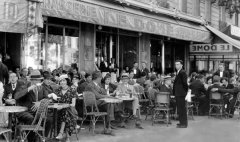
French Coffee Culture in the Romantic Capital
French people drink coffee slowly, taste it carefully, read books and newspapers, talk about it, and "soak" for most of the day. Because of this traditional and unique coffee culture, French coffee resting places can be found all over the streets, under the shade of trees, by the side of the road, by the square, on the riverbank, on cruise ships, on street balconies, and even on the Eiffel Tower. But the form, style and size are not limited to one style.
2014-08-18 Coffee culture French coffee culture romantic coffee culture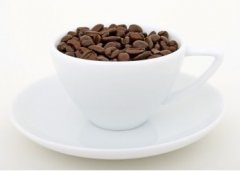
How many cups of coffee can I drink every day? The advantages and disadvantages of drinking coffee
There seems to be a constant debate about whether coffee brings more health benefits or more harm. How much coffee should you drink every day? benefits of one cup of coffee: Greek researchers studied 485 people over the age of 65 and found that one cup of coffee a day can keep arteries healthy and stabilize blood pressure. A survey of 600 volunteers by the University of Bristow in the UK also shows that one cup of coffee a day can enhance
2015-10-05 Every day you can drink how much coffee advantages disadvantages health bring benefits
Boutique coffee beans common sense how to distinguish between new beans and old beans
After dry and wet processing, coffee fruit becomes coffee raw bean (Raw bean/Green bean). The main components of raw beans are: carbohydrates, about 49%; moisture, about 12%; protein. About 11%; chlorogenic acid, about 7.6% alkaloids and trace elements, about 0.4%. According to the length of time, raw beans can be divided into: seasonal beans (Current Cro)
2014-11-20 Coffee knowledge boutique coffee bean common sense new beans old beans
Introduction to the flavor and taste characteristics of Lindong Coffee Manor in Sumatra, Indonesia
Known as Mantenin mandheling, it is produced all over Lake Toba in northern Sumatra. The finished product has a unique fragrance of herbs and trees. Gold Mantenin, the Japanese adopted more stringent quality control more than a decade ago. After picking beans manually for four times, they eliminated defective beans and produced gold mantenin with dark green color and equal appearance of beans, creating another wave of market demand. Even Europe and the United States are crazy about it.
2016-08-06 Flavor very rich Indonesia Sumatra Lindong Coffee Manor producing area mouth
Fine coffee learn the difference between new beans and old beans of raw coffee
After dry and wet processing, coffee fruit becomes coffee raw bean (Raw bean/Green bean). The main components of raw beans are: carbohydrates, about 49%; moisture, about 12%; protein. About 11%; chlorogenic acid, about 7.6% alkaloids and trace elements, about 0.4%. According to the length of time, raw beans can be divided into: seasonal beans (Current Cro)
2014-09-29 Coffee knowledge boutique coffee science coffee raw beans new coffee beans old coffee beans
Introduction to Manor Manor with special caramel flavor and flavor of Indonesian Manning coffee
Known as Mantenin mandheling, it is produced all over Lake Toba in northern Sumatra. The finished product has a unique fragrance of herbs and trees. Gold Mantenin, the Japanese adopted more stringent quality control more than a decade ago. After picking beans manually for four times, they eliminated defective beans and produced gold mantenin with dark green color and equal appearance of beans, creating another wave of market demand. Even Europe and the United States are crazy about it.
2016-09-14 Caramel Special Flavor Nieman Tenin Coffee Taste Manor introduction
Coffee training knowledge: coffee raw beans: the difference between new beans and old beans
Coffee raw beans: the difference between new beans and old beans. After dry and wet processing, coffee fruit becomes coffee raw bean (Raw bean/Green bean). The main components of raw beans are: carbohydrates, about 49%; moisture, about 12%; protein. About 11%; chlorogenic acid, about 7.6% alkaloids and trace elements, about 0.4%. According to the length of time, raw beans can have
2014-10-08 Coffee knowledge coffee training coffee raw beans coffee encyclopedia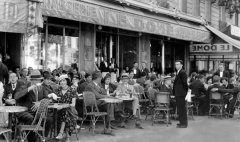
French Coffee Culture tradition and unique Coffee Culture
The French drink coffee slowly, taste it carefully, read books and newspapers, talk about it, and soak it for most of the day. Because of this traditional and unique coffee culture, France gives people a rest and drink coffee all over the streets, under the shade of trees, by the side of the road, by the square, on the riverbank, on cruise boats, on street balconies, and even on the Eiffel Tower in form, style and size, there are coffee shops.
2015-10-27 France coffee culture tradition unique French coffee slow thin reading